The 33 Best Olive Oils in the World, Scored and Ranked
We bought sixty-one of the world's most talked-about olive oils at retail, from a $13 supermarket bottle to a $1,500 gold-flecked decanter in a wooden chest. We tasted them blind over eight weeks and cut the list to thirty-three. The winner is neither the cheapest nor the dearest, and it is not perfect either.
By The Tasted & Ranked Kitchen · Updated · Prices checked at publication · 24 min read
Tasted & Ranked may earn a commission from links in this article, and some featured products sponsor our work. No one can buy a place on this list or a score. Read our full disclosure.
We are not sommeliers and we do not press oil ourselves. We are a small group of enthusiasts who got into the habit, years ago, of bringing a bottle back from every trip: estates in Andalusia, co-ops in Crete, a farm shop in Istria, airport duty-frees we would rather forget. Along the way we drank $100 oils that tasted like nothing and $9 oils that stopped conversation at the table.
We never intended to run a review site. The tasting notes lived in a spreadsheet that friends kept asking for, the spreadsheet became a group email, and the email became this page. What you are reading is that spreadsheet, done properly: bought at retail, tasted blind, scored the same way every time.
Most "best olive oil" lists are assembled from press releases. This one started with a shopping trip. We bought sixty-one bottles at retail, under a plain name, nothing requested as a sample, from a $13 supermarket Kalamata to gold-flake showpieces costing more than a thousand dollars.
Twenty-eight of them did not make this page. Some arrived stale. Some failed the first blind round outright. Some we could not verify a real price or reliable stock for, and a ranking you cannot act on is a poster, not a review. The thirty-three that survived are all genuinely worth knowing about, and every single one links to the exact page we bought it from, so you can check today's price yourself.
How we checked
Every oil was decanted into identical numbered glasses so nobody on the panel of four knew whether they were scoring a famous label or an unknown one. Each oil went through the same three rounds, spread over eight weeks:
Neat: warmed in the glass and sipped, the way professional graders taste. This exposes staleness within seconds, and it is where most of the twenty-eight eliminations happened.
On warm bread: the everyday test of whether an oil actually delivers flavour.
In a tomato salad: tomatoes, salt, oil, nothing else, so the oil has to carry the plate.
Alongside the tasting, we logged what each producer actually tells you: harvest date, how fast the olives went from tree to press, acidity, polyphenol figures where published, whether the bottle is dark glass or clear, and whether the oil traces to a single named estate. The serious producers publish all of it. The pretenders publish none of it.
Each surviving oil's score out of 10 is a weighted average of five marks:
35%Taste
20%Freshness
15%Polyphenols
15%Provenance
15%Value
Taste is the blind result across all three rounds. Freshness rewards a printed harvest date and a short tree-to-press time, still the single most predictive signal of a great bottle in our experience. Polyphenols covers the health side: published figures, and that peppery catch at the back of the throat that tells you they are really there. Provenance is single-estate traceability, named varieties and packaging that protects the oil. Value is what the same money buys elsewhere on this list.
We also cross-checked our verdicts against the major competitions (NYIOOC, Flos Olei, the Olive Oil Times World Ranking) to keep our palate honest. The framework came first and the ranking second, not the other way round. Where our result disagrees with the medal cabinets, we say so in the entry.
Findings reflect bottles bought and tasted between May and July 2026. Prices are approximate US-dollar retail, checked at publication; sellers that list in pounds or euros are converted at the rates on the day, and prices vary by stockist, vintage and bottle size. Every entry links to the exact retail page we verified.
The top 33 at a glance
Every row links to the full review below. Tap any oil to jump to what impressed us and what to watch out for.
Yes, you read the last row correctly: the most expensive oil in the test finished last. We think that says more about this list than anything else on it.
The top five, in depth
These five separated themselves from the field. Each entry lists what impressed us and, just as importantly, what to watch out for. Nothing on this page is perfect, including the winner.
Our number one for 2026
1
Dimarco Extra Virgin Olive Oil
9.1 /10
★★★★½ · Italy (Sicily) · $85 / 500ml direct
Best for: people who want the best-tasting bottle, not the most famous one
Single estate, Cefalà Diana, Sicily · November 2025 harvest · pressed within 48 hours · 600 bottles a year · dark glass
Taste9.4
Freshness9.6
Polyphenols9.0
Provenance9.5
Value7.8
Let us be clear about what Dimarco is not. It is not cheap: at $85 a bottle it cost more than half this list, and we scored it just 7.8 on value. It has no château behind it, no famous name on the label, and you will not find it in any supermarket. It is a small Sicilian family estate in Cefalà Diana making one oil, six hundred bottles a year, hand-picked and pressed within 48 hours.
It still finished first, because the blind glasses do not care about any of that. Fresh cut grass, green tomato and fresh artichoke on the nose, a clean buttery middle, then a peppery catch at the back of the throat that had two of our four tasters coughing, which in olive oil grading is the highest compliment there is. The best taste and freshness results of the entire test, against bottles costing up to eighteen times as much.
What impressed us
Highest taste score of the test, elite company included
November 2025 harvest date on the bottle, pressed within 48 hours, and the freshness showed
Single named estate, dark glass, nothing blended in, nothing to hide
That coughing-grade peppery finish: the polyphenols are really there
Watch out for
$85 is serious money, and there is no cheaper size to start with
600 bottles a year, and most of the 2025 vintage is already taken
Sold direct only, so no picking up a bottle on the way home
One oil in the range: if you want a mild option, look elsewhere
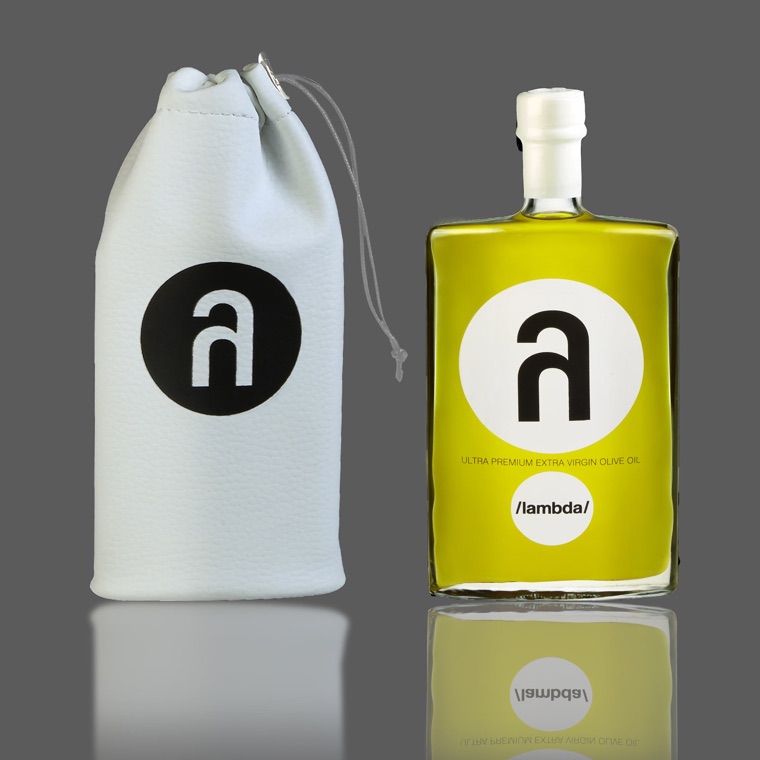
Best for: a luxury gift that actually tastes as good as it looks
Koroneiki, hand-picked from centenarian trees · acidity below 0.2% · unfiltered · hand-bottled and numbered
Billed as the world's first luxury olive oil, Lambda is hand-picked from ancient Greek trees, unfiltered, and bottled by hand. In the glass it is genuinely superb: delicate, silky, with artichoke, green tomato and almond and barely a rough edge.
What impressed us
The most polished, seamless oil of the whole test
Hand-bottled, numbered, with presentation to match the price
The one luxury bottle our panel would buy with their own money
Watch out for
You are paying for the theatre as well as the oil
Too delicate for cooking: this is strictly a finishing oil
Stock comes and goes, often via import specialists
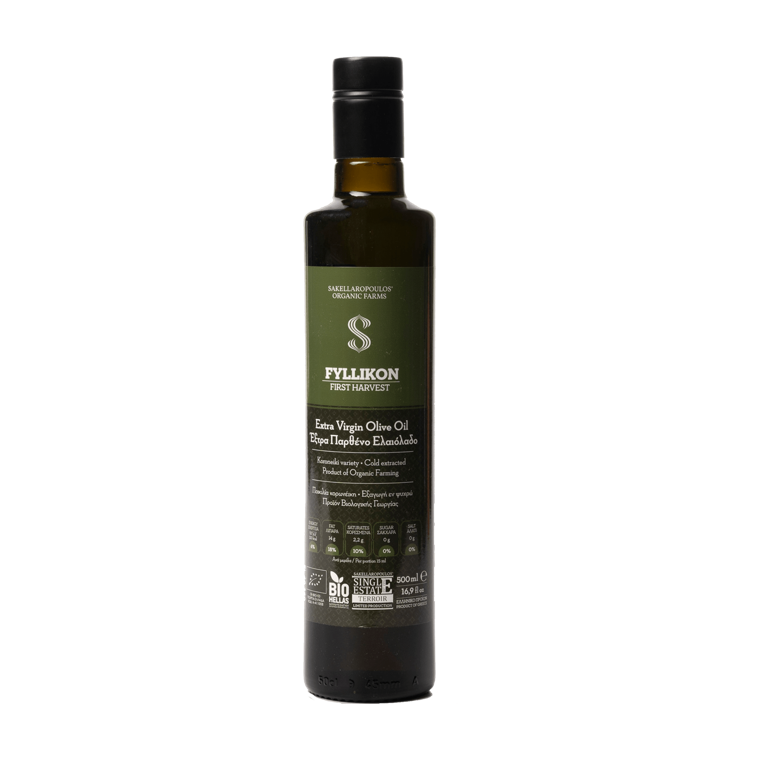
Best for: high-phenolic buyers who still want pedigree and polish
Koroneiki · ~2,000mg/kg polyphenols · unfiltered first harvest · certified organic single estate
The flagship unfiltered first-harvest from Sakellaropoulos Organic Farms, repeatedly ranked the world's number one organic producer. A powerhouse of green almond, herbs and pepper, yet remarkably composed for something this potent.
What impressed us
Enormous phenolic content with real balance, a rare combination
From the most decorated organic producer on earth
Unfiltered first harvest, and the vitality shows
Watch out for
The bitterness split our table: two loved it, two winced
Unfiltered oils fade faster once opened, so finish it inside two months
Availability outside Greece is import-only and patchy
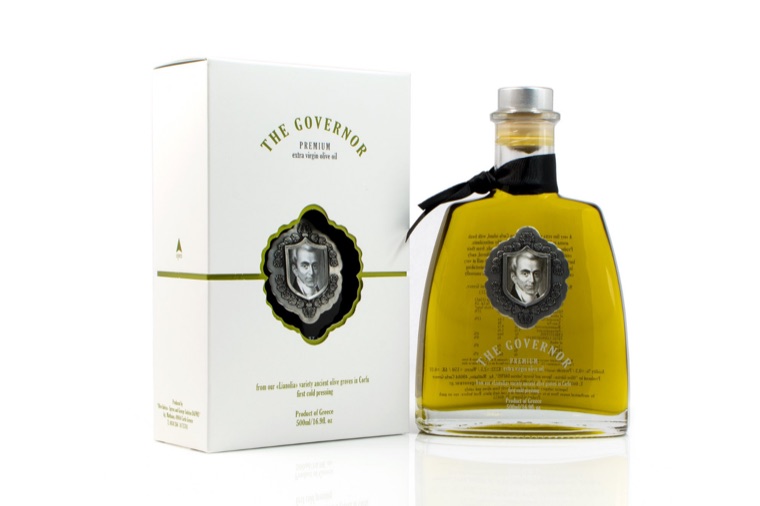
Best for: health-first buyers who want polyphenols at a sane price
Lianolia from ancient Corfu groves · 900–1,100mg/kg polyphenols · first cold pressing · unfiltered
From ancient Lianolia groves on Corfu, The Governor is famous for genuinely therapeutic polyphenol levels, and you feel every one of them. Robust, green and fiercely peppery, it made the panel's eyes water in the best way.
What impressed us
Serious, documented phenolic content at a mid-range price
Single origin from ancient trees, first cold pressing
The best health-per-dollar ratio in the whole test
Watch out for
Not a beginner's oil: the pepper is genuinely fierce
The range has several editions at very different prices, so check which one you are buying
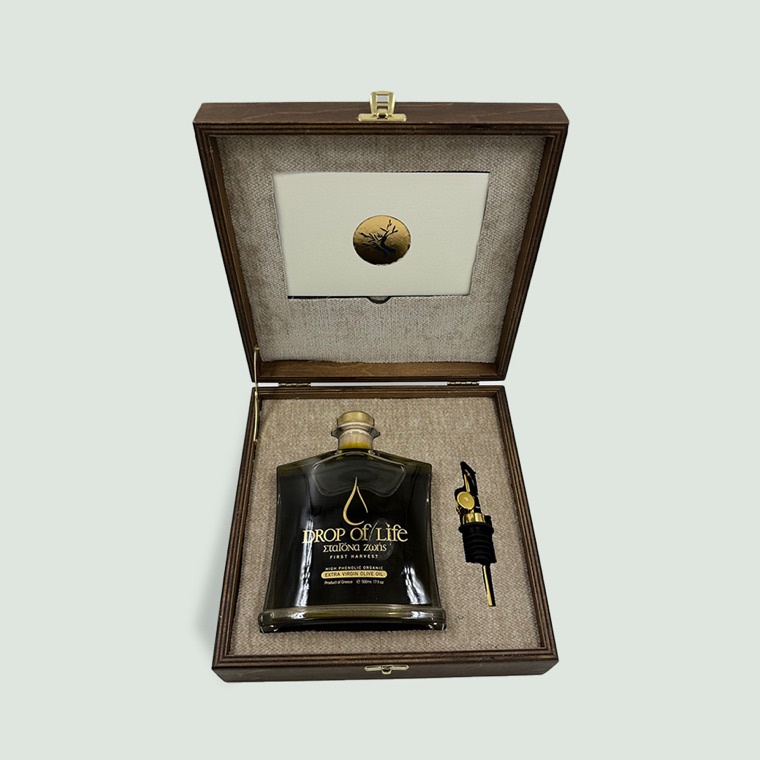
Best for: the once-in-a-lifetime gift, wooden case and all
First harvest, Peloponnese · high phenolic · wooden presentation case with gold pourer · limited run
Presented in a wooden case with its own gold pourer, this first-harvest Peloponnese oil is one of the most awarded high-phenolic bottles in the world. Intensely green and peppery, it is as much wellness statement as condiment.
What impressed us
A genuinely great oil underneath the spectacle
The most impressive unboxing of the entire test
Recognised repeatedly at the top international awards
Watch out for
$275 buys the case and the pourer as well as the oil
Taste-per-dollar it cannot compete with the top four
Every oil below made the cut, which already puts it ahead of twenty-eight bottles that did not. The notes flag who each one suits and where it loses points, and every entry links to the exact page we verified the price on.
6
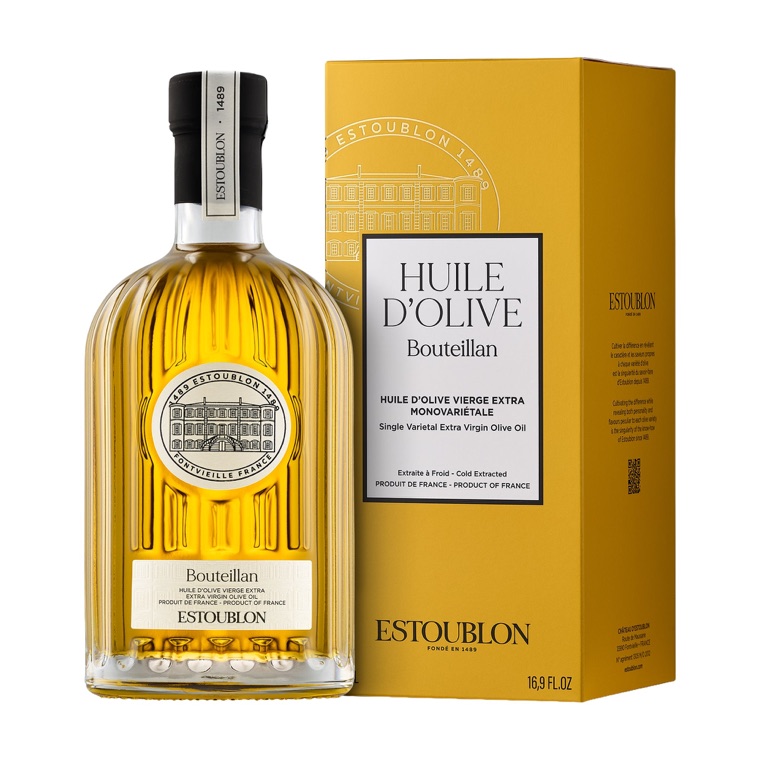
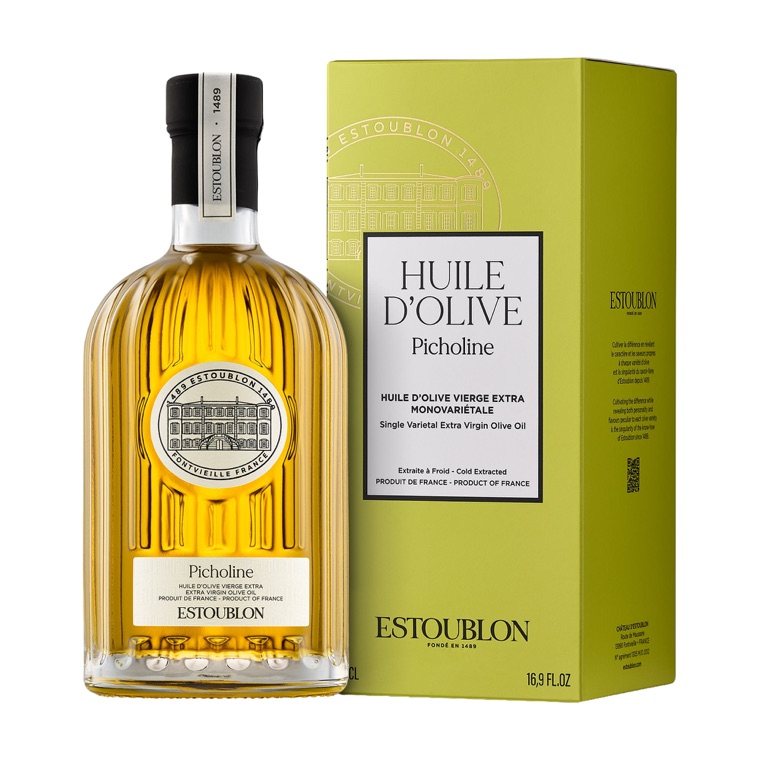
Château d'Estoublon Bouteillan
8.5 /10
France (Provence) · Most beautiful bottle · $53 / 500ml
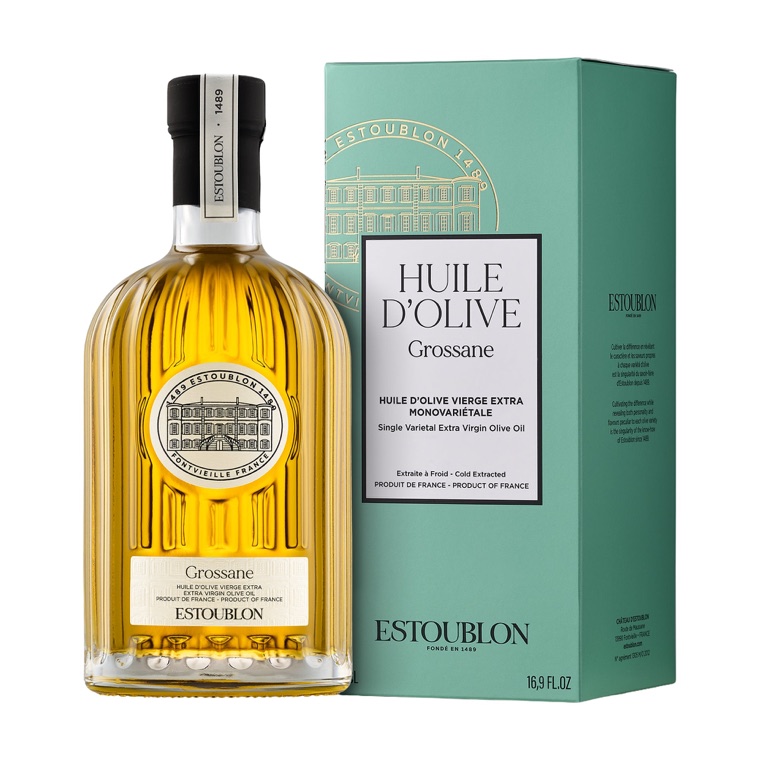
The fluted Estoublon bottle is a design icon, and the single-varietal Bouteillan inside earns its keep: almond, ripe apple and a gentle grassy lift, with a NYIOOC gold to its name. Know that a few dollars of the price are for the famous glass, and that its soft style will not satisfy pepper-chasers.
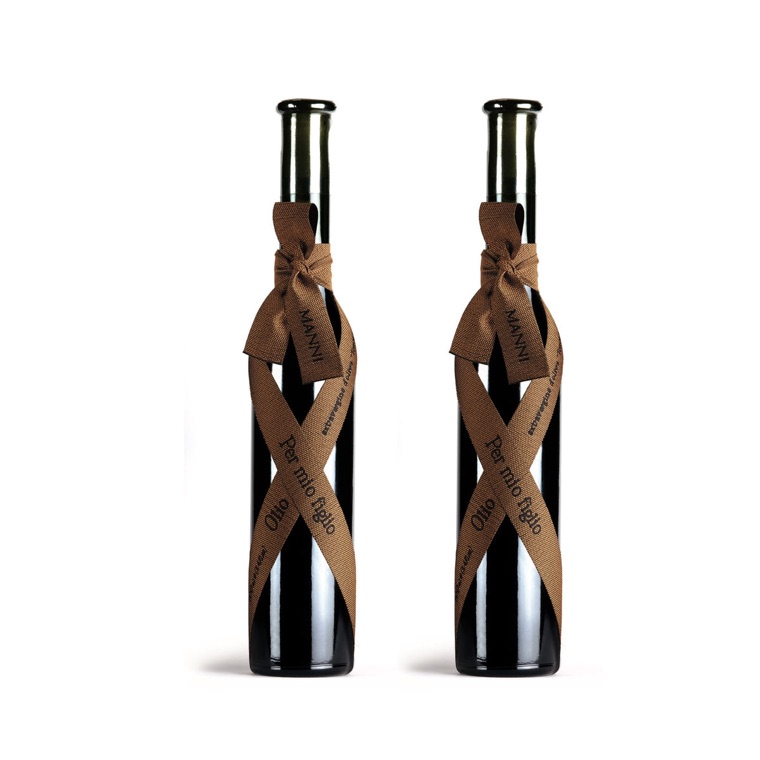
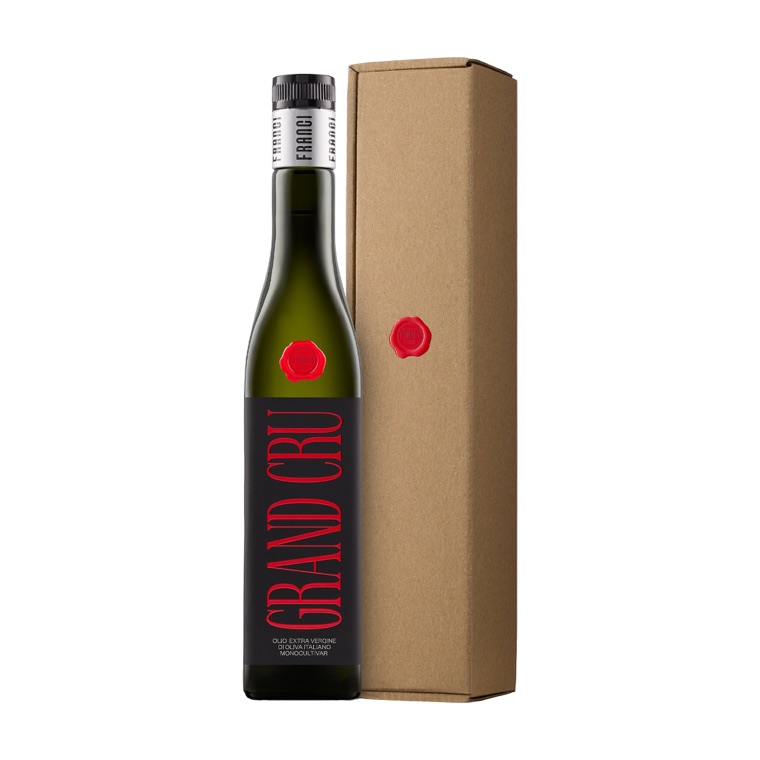
Italy (Tuscany) · The cult splurge · $108 / 2×100ml
Sold in pairs of tiny 100ml bottles like a fragrance, grown on volcanic soil and antioxidant-certified by the University of Florence. Astonishingly clean and delicate, made for finishing fish and vegetables. Per millilitre it is among the most expensive oils on this list, and 200ml disappears fast.
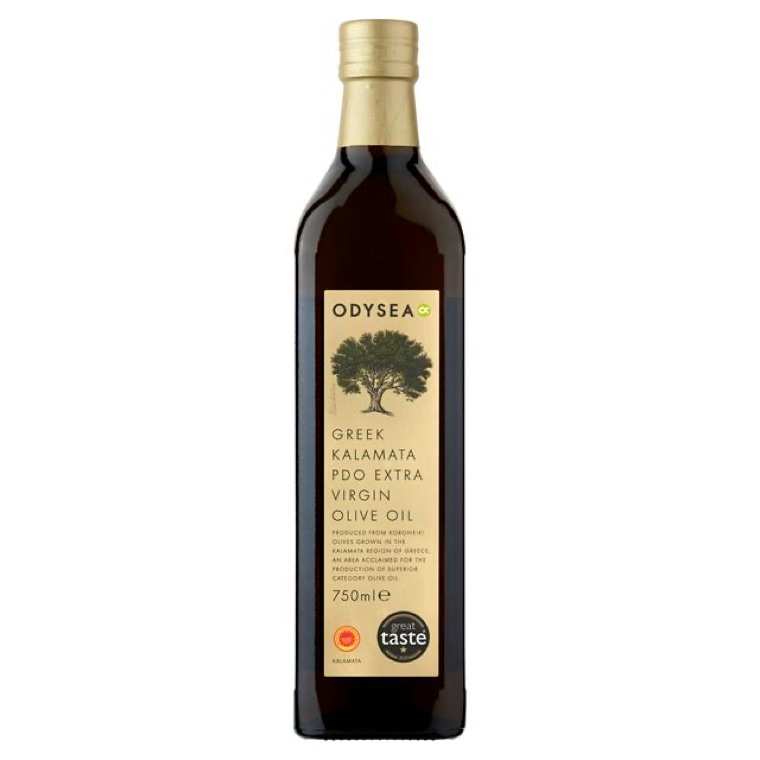
Greece (Kalamata) · The supermarket benchmark · $13 / 750ml
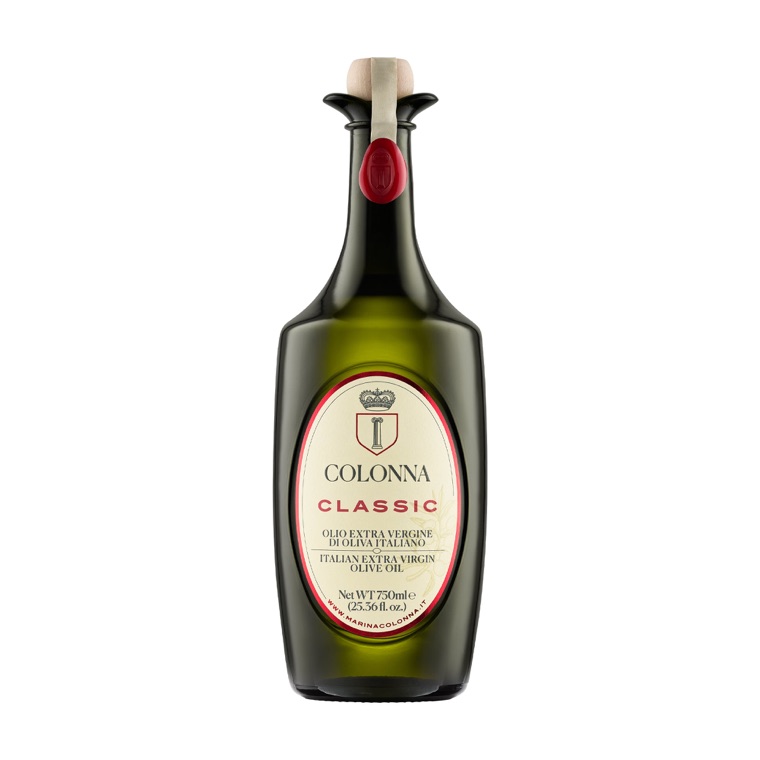
Here is our honesty check: a bottle from the supermarket shelf, in the top ten. A single-origin PDO Kalamata Koroneiki, a Which? Best Buy in its 2025 supermarket taste test, about $13 on the Sainsbury's shelf, and the highest value score we awarded, a straight 10. In the blind glasses it tasted like an oil three times its price: fresh, grassy, properly peppery. It cannot match the harvest-dated estate bottles for freshness or romance, and it will not thrill a collector. But if this list has one message, it is that price and quality are loosely related, and this bottle is the proof in the other direction.
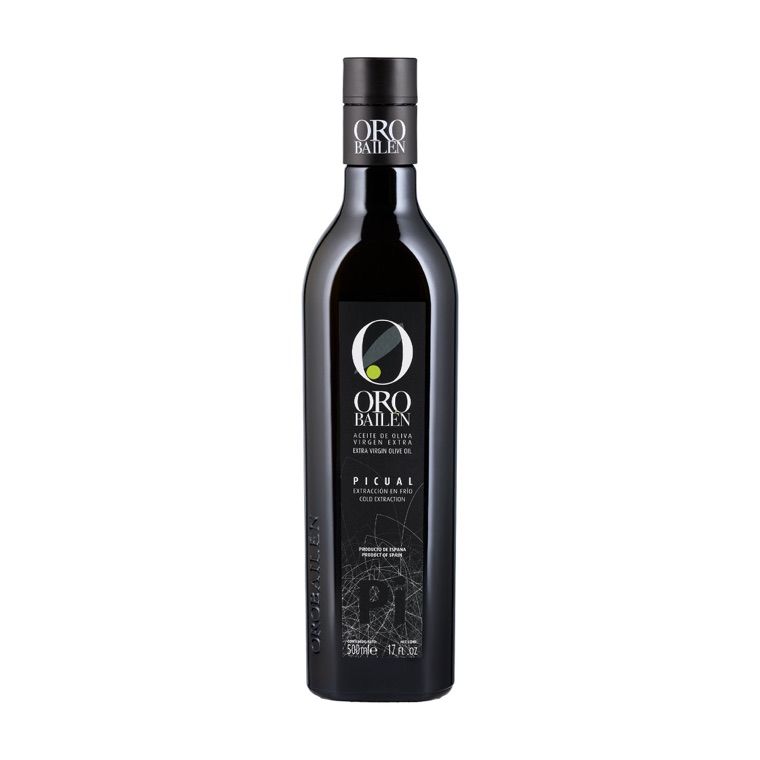
Routinely ranked the world's number one producer, and the early-harvest Picual is textbook: tomato vine, green almond, apple and a clean bitter-peppery finish. If medals decided this list it would be top three. It is an intense, assertive style, so buyers wanting a gentle everyday oil should look further down.
Italy (Tuscany) · The Tuscan classic · $48 / 500ml
A Flos Olei Hall of Fame oil and one of Tuscany's most decorated. Intensely green, bitter in the best way, with artichoke, almond and a black pepper kick that lingers. It demands bold food: on anything delicate it simply takes over.
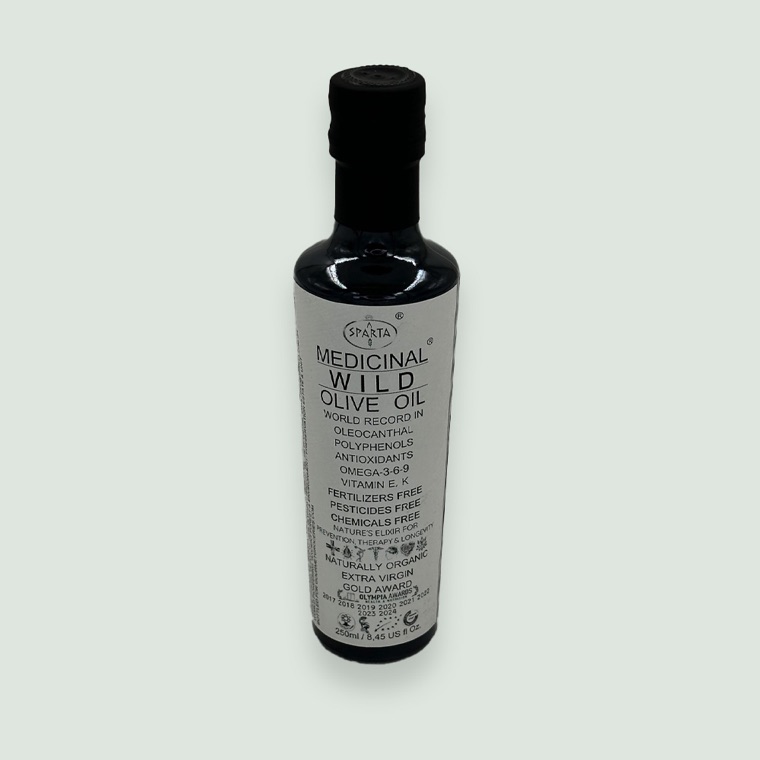
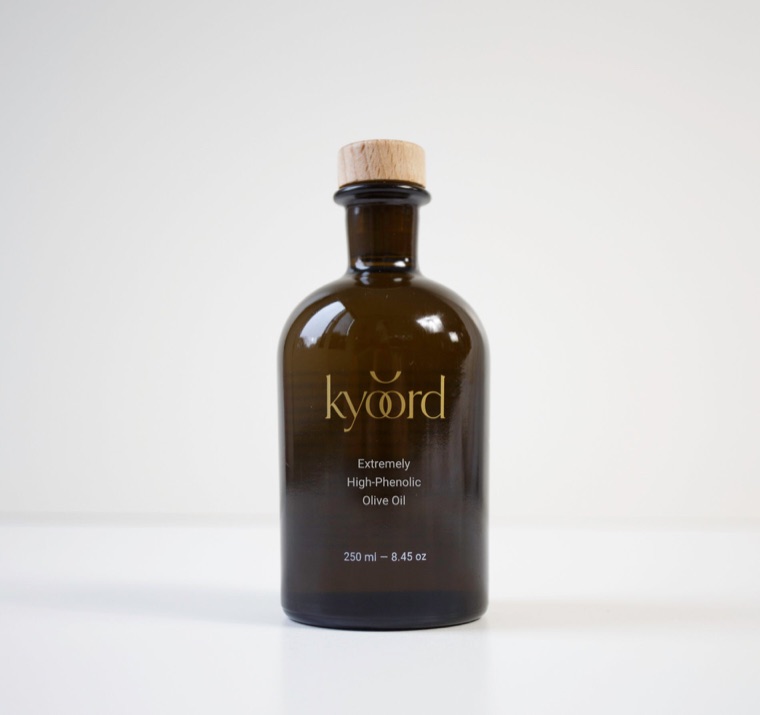
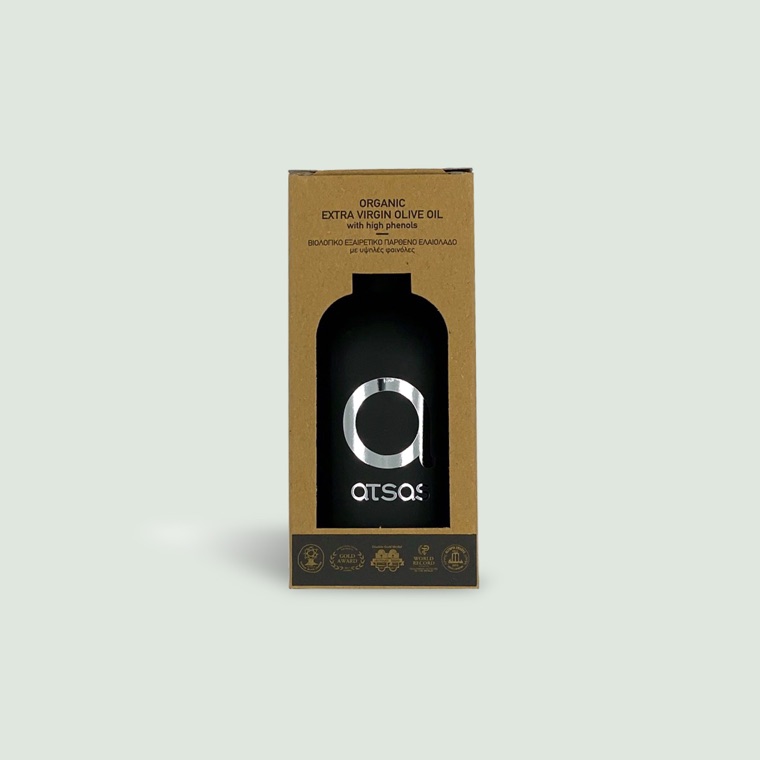
Recognised by the University of Athens pharmacy faculty as among the highest-polyphenol oils ever measured, above 3,000mg/kg, made from wild olives. As a feat of nature it is unmatched here. As a food it is ferocious, and at $360 for 250ml you are buying a supplement with a spoon, not a salad oil.
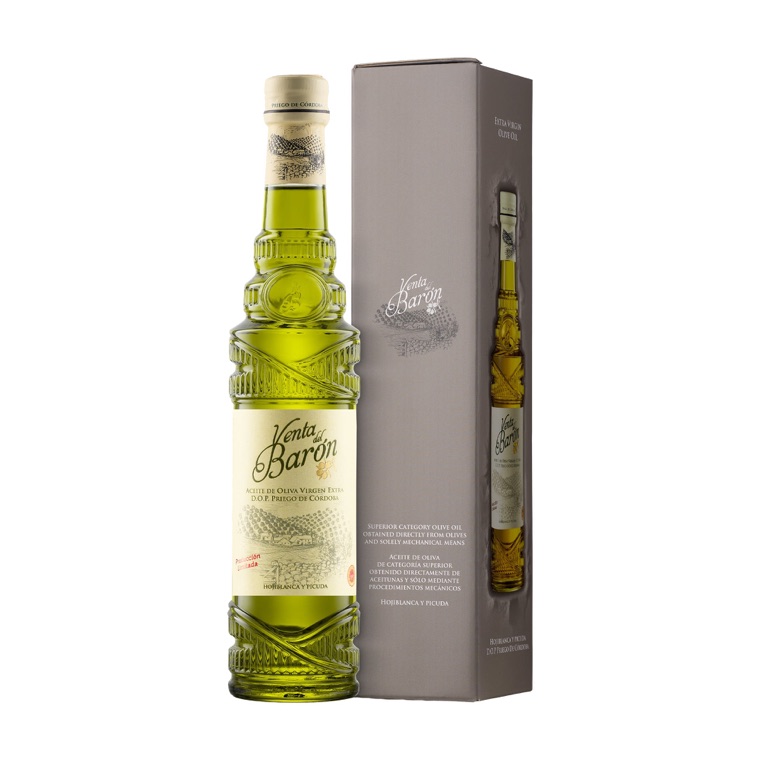
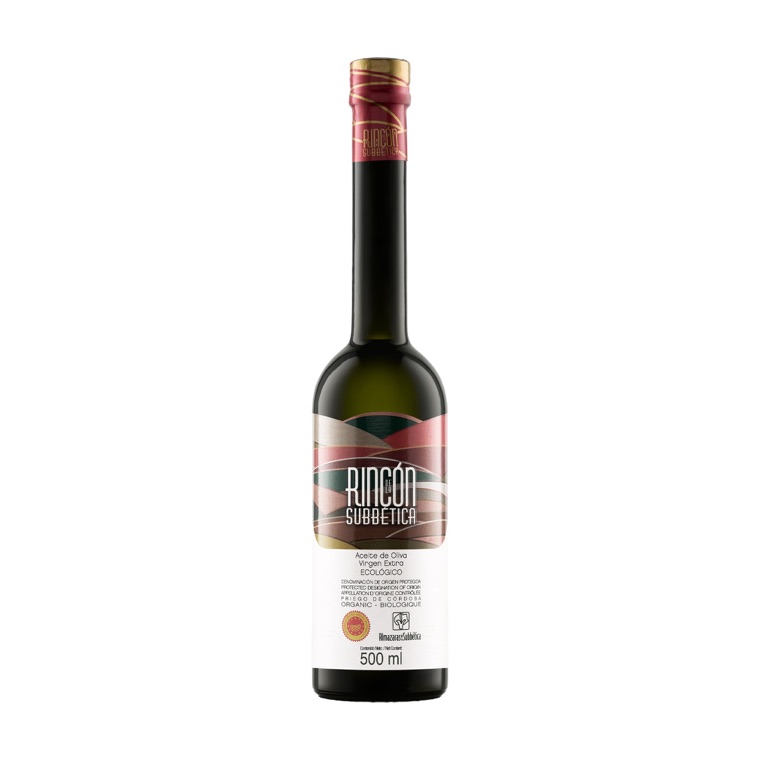
Spain (Priego de Córdoba) · The most-awarded · $37 / 500ml
More than 80 international awards, including a World's Best from the IOC, for under forty dollars. Green herbs, peppermint, almond and apple, sweet at first then progressively spicy. The unglamorous bottle looks plain next to the designer glass elsewhere on this list, which is exactly why it is such a quiet bargain.
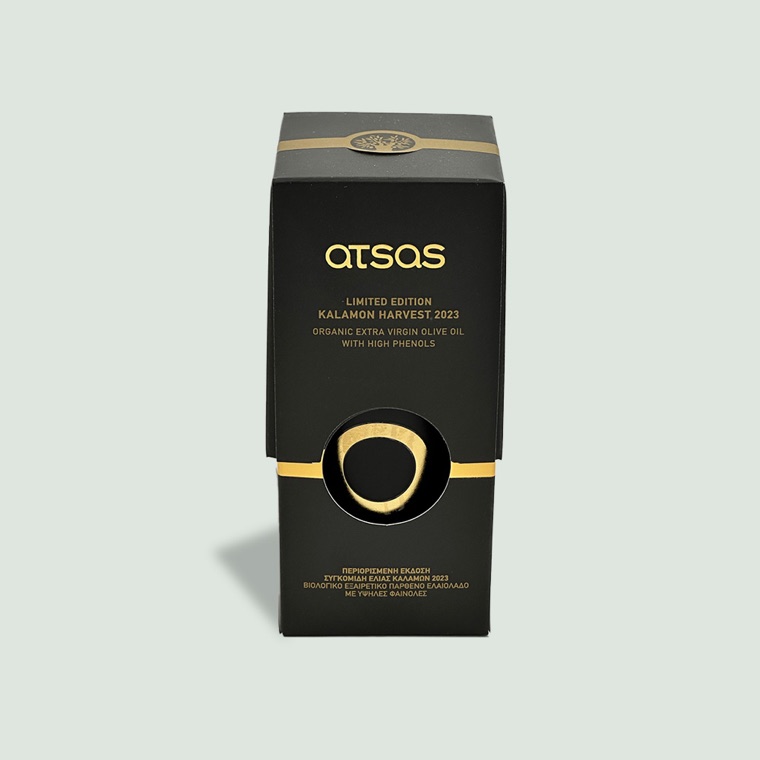
Cyprus · The high-phenolic heavyweight · $305 / 250ml
A Kalamon bottling with one of the highest phenolic readings here, 2,663mg/kg, and only 200 bottles made. Unfiltered, powerful and structured. The catch is the arithmetic of rarity: finding stock is half the battle, and the price per millilitre is among the highest in the test.
A perennial world Top 50 and NYIOOC gold: thyme, mint, tomato vine and tropical fruit with a clean spicy finish. One of the most complete organic oils we tasted. It sells through fast after awards season, so if you see the new harvest, do not wait.
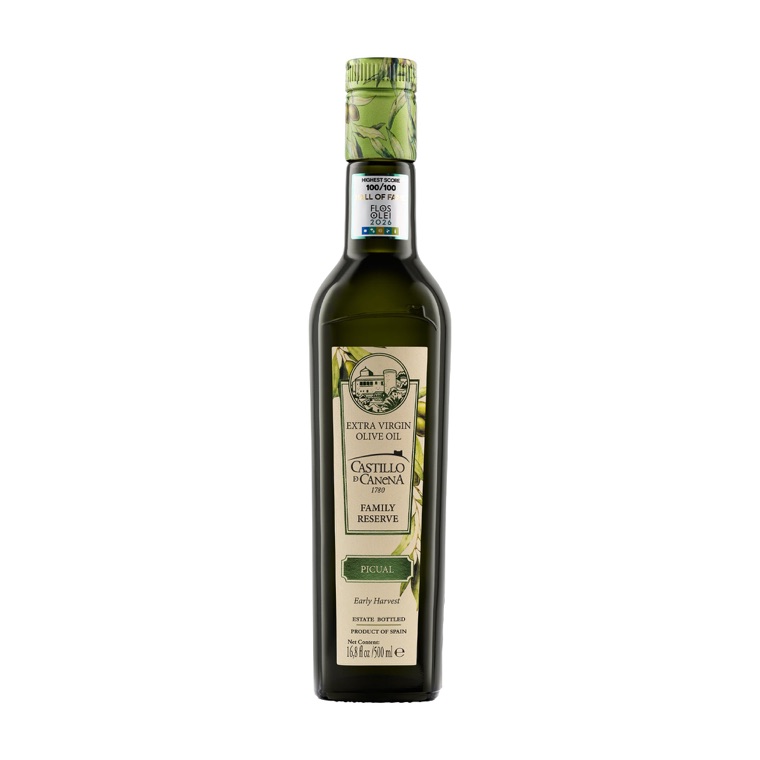
Spain (Jaén) · The elegant all-rounder · $36 / 500ml
A perfect-100 Flos Olei oil from a family estate dating to 1780: structured, grassy Picual with apple, thyme and a noble bitterness, and full marks for label transparency. If you prefer soft, buttery oils this will feel stern; everyone else gets a masterclass for under $40.
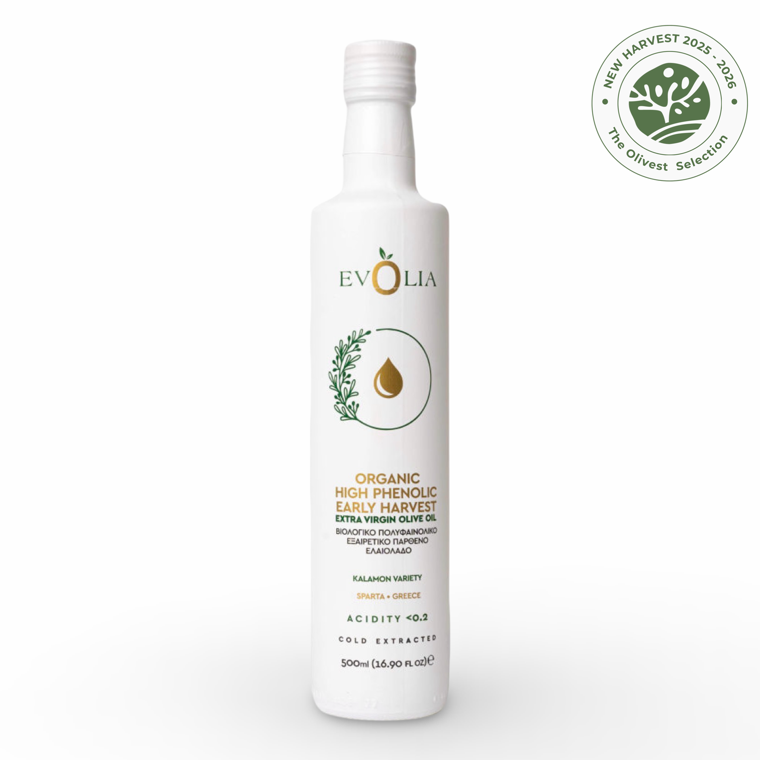
Greece (Sparta) · The elegant high-phenolic · $89 / 500ml
A rare organic Kalamon monovarietal with a certified reading above 2,000mg/kg, vivid and cleanly bitter at under 0.2% acidity. Elegant proof that high-phenolic need not mean harsh. Ninety dollars is serious money for a young label, which is the only thing keeping it out of the top ten.
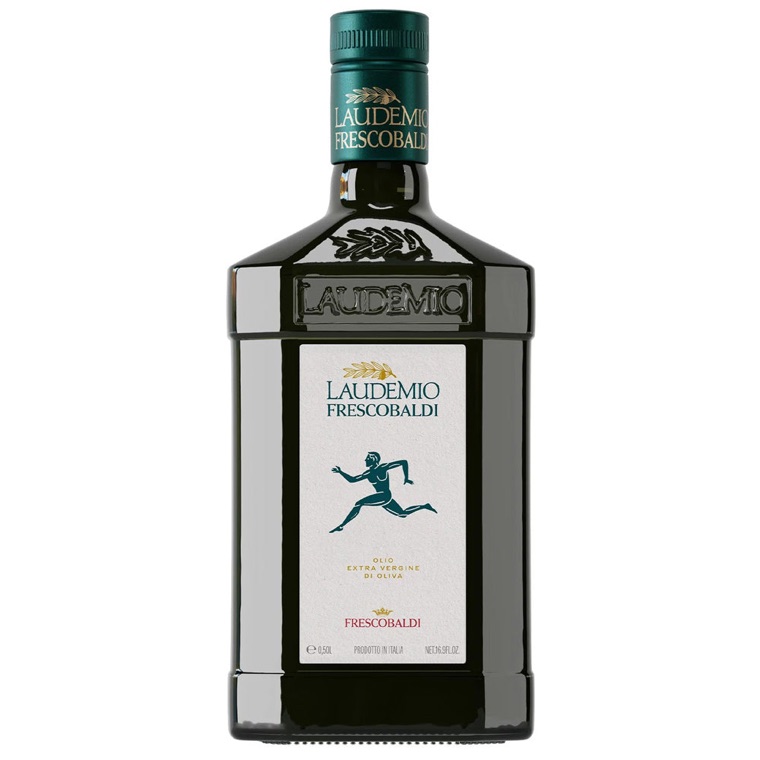
The unmistakable running-figure bottle, a luxury-grocer staple and a Tuscan benchmark for decades: artichoke, fresh grass and a proper peppery bite. Widely stocked, which makes it easy to buy and impossible to call rare, and newcomers may find the bitterness assertive.
Spain (Castellón) · The rarest bottle · $270 / 500ml
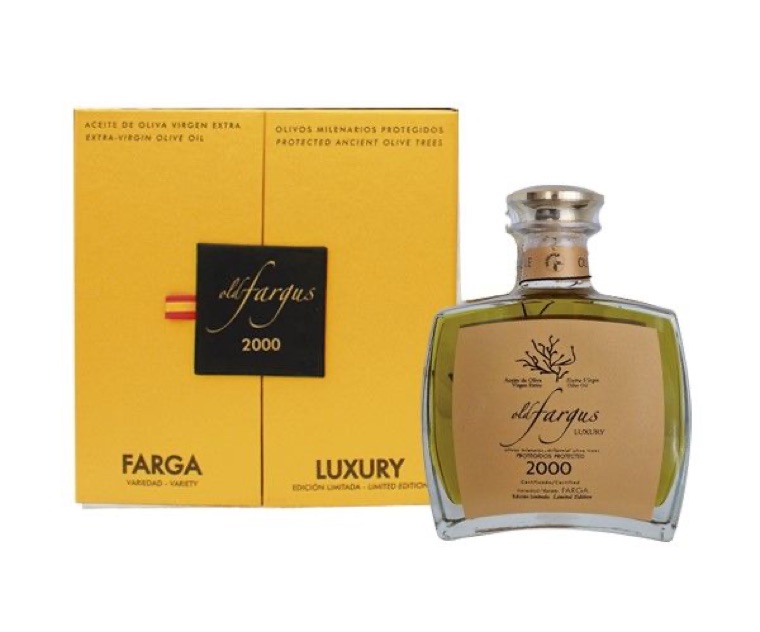
Pressed from Farga trees between 500 and 2,000 years old, roughly 400 bottles a year. Fruity, gently bitter, green walnut and apple: genuinely lovely, not just old. But be honest about what you are paying for, because at this price the rarity costs more than the flavour advantage.
Italy (Molise) · The connoisseur's estate · $42 / 750ml
From a quiet Molise estate that has become a world reference, blending over fifteen cultivars. Delicate artichoke, lettuce and chicory with a refined finish, and generous at 750ml. The gentle style gets lost in cooking, so keep it strictly for the table.
Greece (Laconia) · The wellness-luxury bottle · $69 / 250ml
An ultra-early-harvest Laconian oil built around phenols at genuinely therapeutic levels, in a beautiful amber apothecary bottle. Unlike some wellness brands, the substance matches the styling. It is 250ml though, so the per-litre price stings if you pour freely.
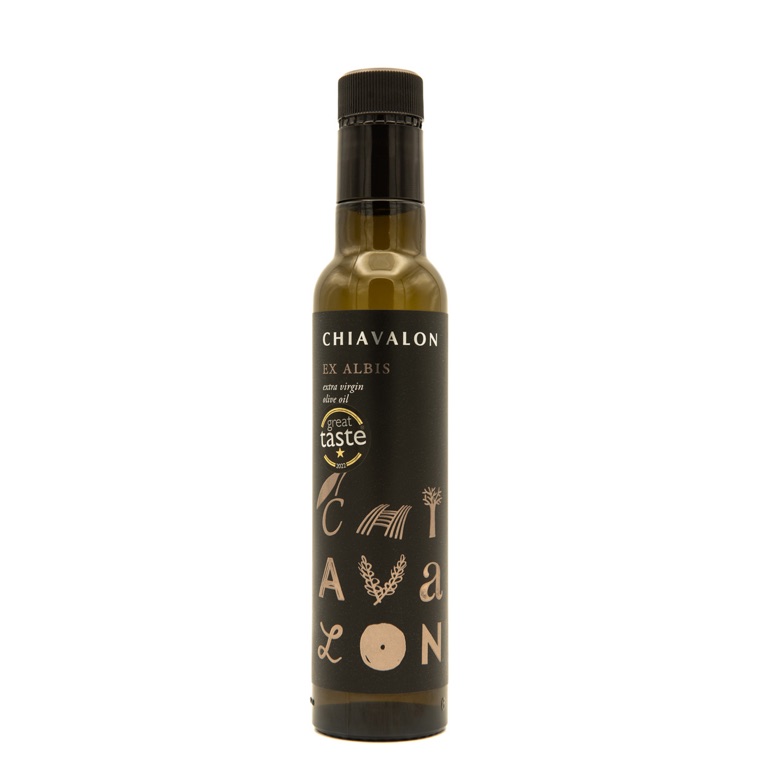
Croatia is now a genuine olive oil superpower and Chiavalon is its standard-bearer: five indigenous Istrian varieties, hand-picked and pressed within hours, giving wild chicory, green apple and an almondy depth. Stock outside Croatia is patchy, so buy two when you find it.
The approachable sibling of the Gold: organic Koroneiki, still very high in polyphenols but a touch rounder, with green apple and a warming close. The sane way into serious Cypriot oil, though as with its sibling, it comes in 250ml only.
France (Provence) · The aromatic monovarietal · $65 / 500ml
A single-variety Picholine from the 1489 estate, softer and more aromatic than the Greek bruisers, with almond and fresh herbs. Beautiful and giftable, but part of the $65 is the presentation box, and the Bouteillan at $53 out-tasted it.
South Africa (Stellenbosch) · Best from the southern hemisphere · $36 / 500ml
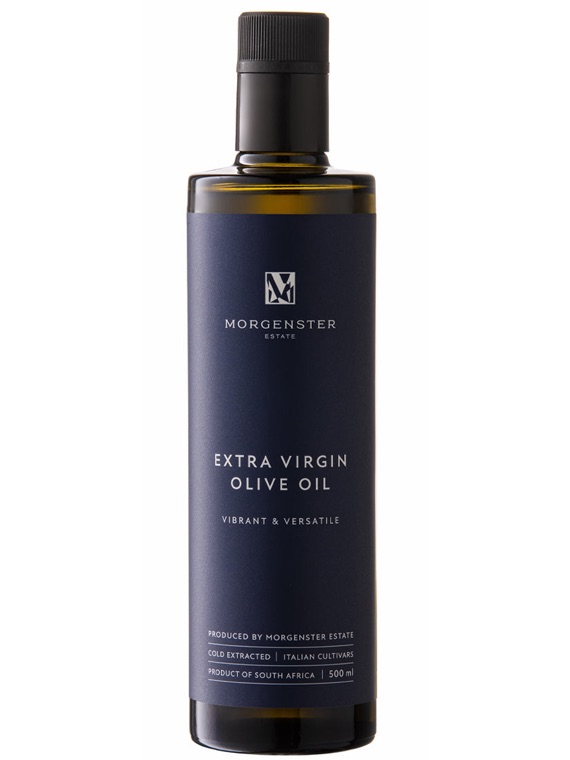
A blend of up to fourteen Italian cultivars grown in Stellenbosch, repeatedly voted among the world's best in Flos Olei: artichoke, green apple, almond, long peppery finish. Stockists are limited, and the harvest calendar is offset six months, so check the date before buying.
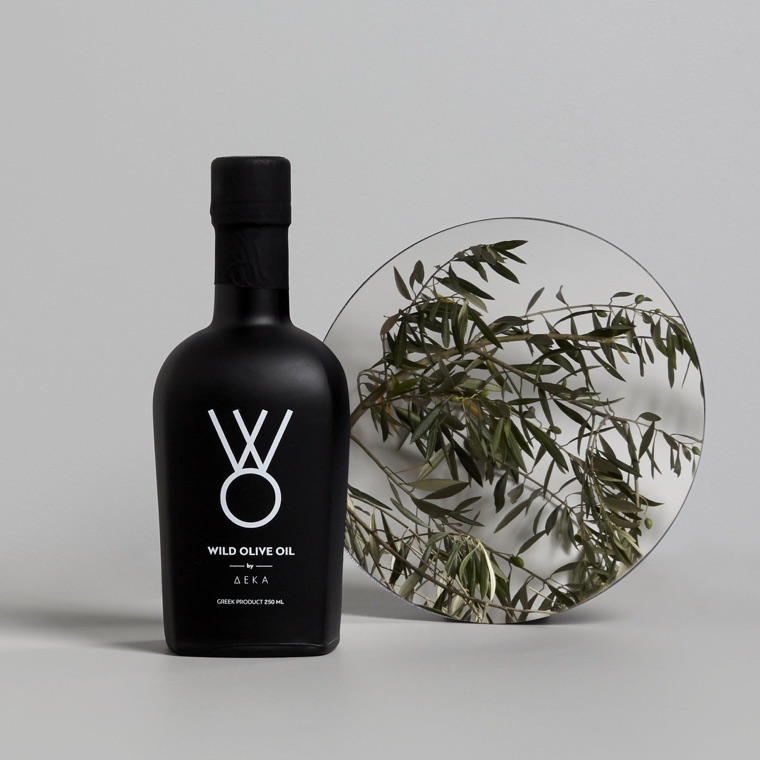
Made from genuinely wild olive trees, scarce and nutrient-dense, in a striking matte-black bottle. Rustic, herbal and intense, with a character cultivated oils cannot copy. That same wildness divided our panel: half found it thrilling, half found it rough.
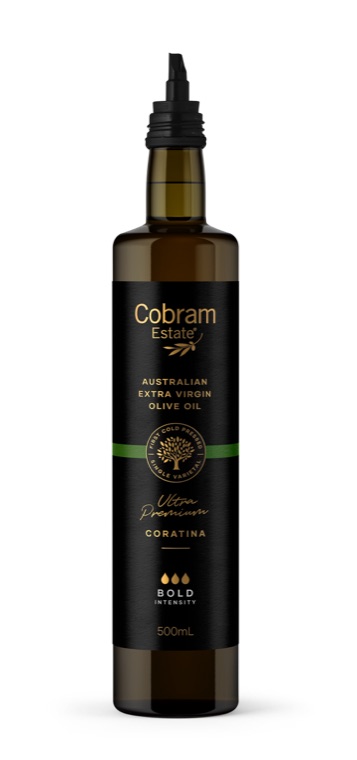
Australia's most awarded producer, and this single-varietal Coratina is its serious bottle: bold, green, tomato leaf and a robust peppery finish, harvest dated and pressed within hours. Nobody will be impressed by the label, and that is the whole trade.
The rarest of Estoublon's monovarietals, mild, round and fruity where the Picholine is aromatic. Lovely over fish and anything you do not want to overpower. If you like an oil with a finish that bites back, this is not your bottle.
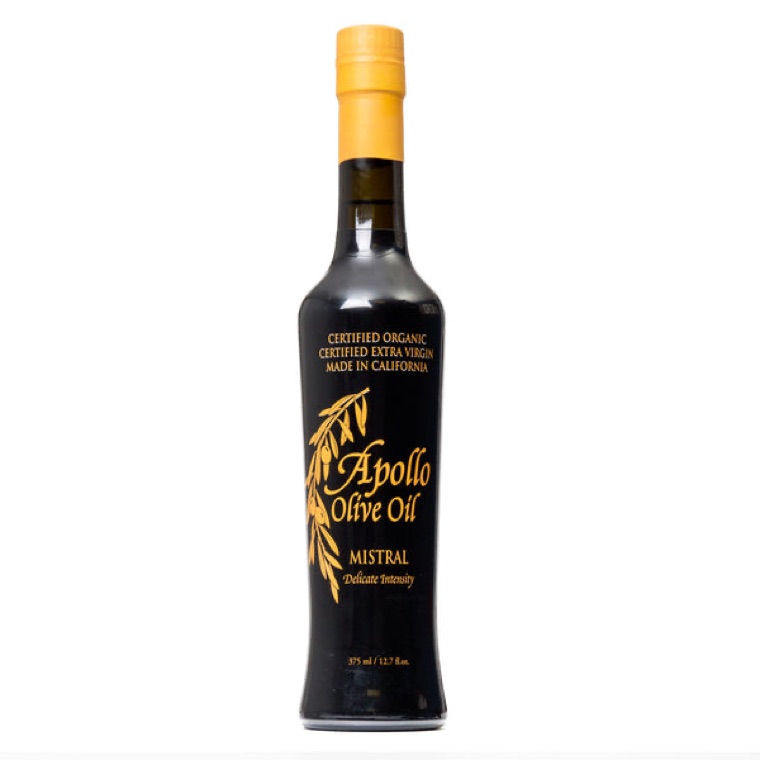
USA (California) · Best from California · $38 / 375ml
Grown in the Sierra Nevada foothills and one of the most decorated US oils of the past decade: delicate yet rich, elegantly mild, wonderful over fish and salads. At 375ml it is pricier per pour than it first looks.
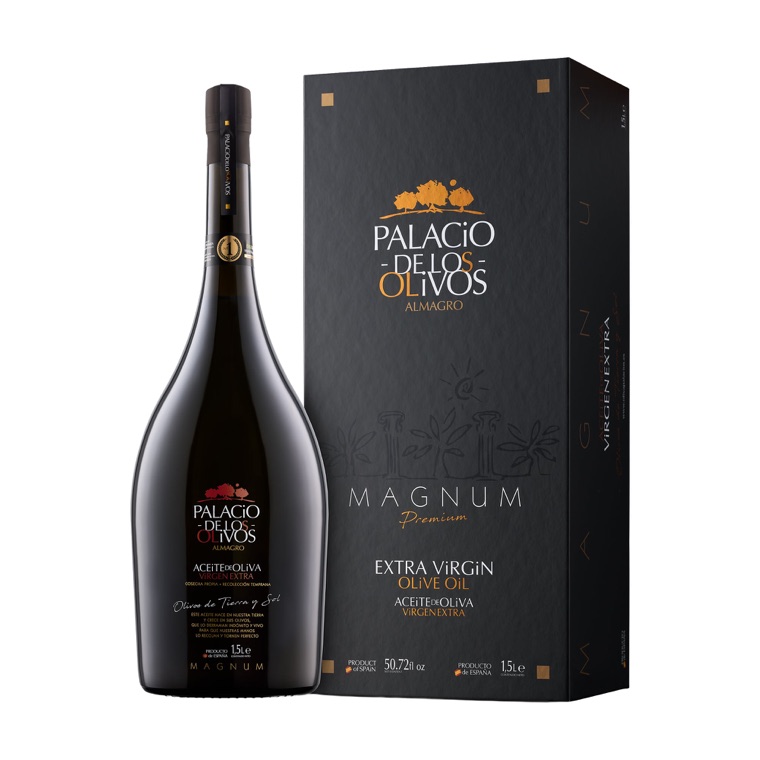
An early-harvest Picual in a collectible 1.5-litre champagne-style magnum from a world-champion producer: fresh, green, peppery, and a genuine table centrepiece. Remember that oil does not improve after the seal breaks, and 1.5 litres is a commitment for one household.
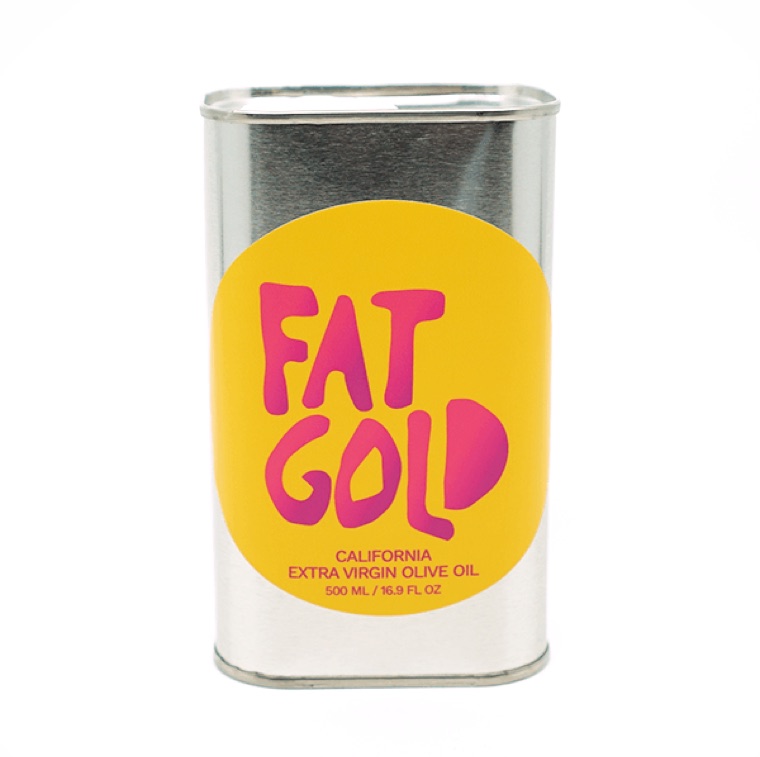
The small-batch California oil with a devoted following, in a bright tin that keeps light out and freshness in. Bright, grassy, peppery, made for finishing. It is a subscription-first brand, so one-off tins can be genuinely hard to get hold of.
Croatia (Krk) · The $1,160 statement · $1,160 / 500ml
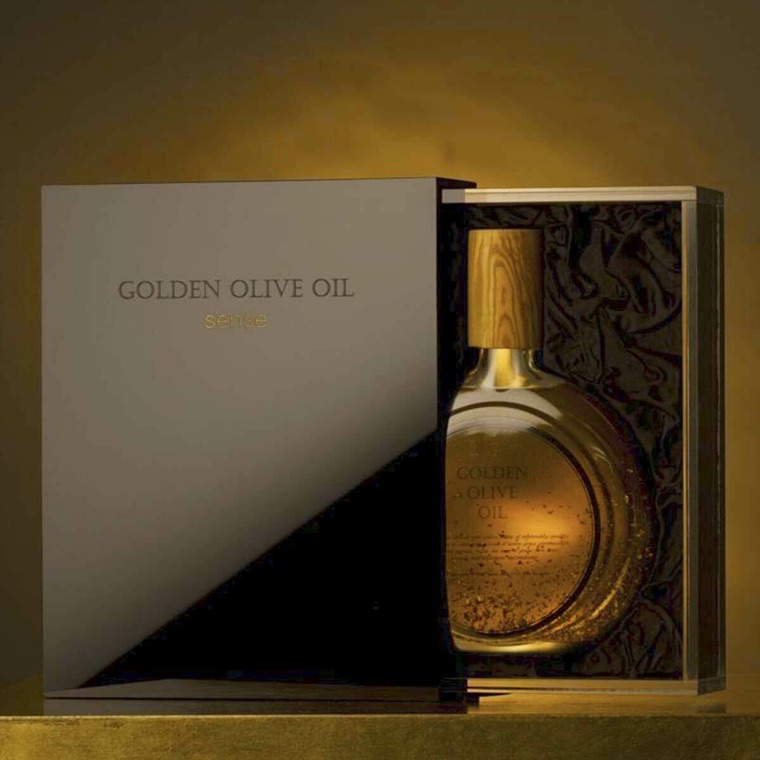
Croatian oil from the island of Krk, suspended with 24-karat gold flakes and presented in a hand-finished Plexiglas display box. The unboxing is genuinely theatrical, and the oil underneath is decent Croatian extra virgin. But you are paying roughly $1,100 for gold and packaging, and gold has no flavour. As spectacle, five stars. As oil, this position.
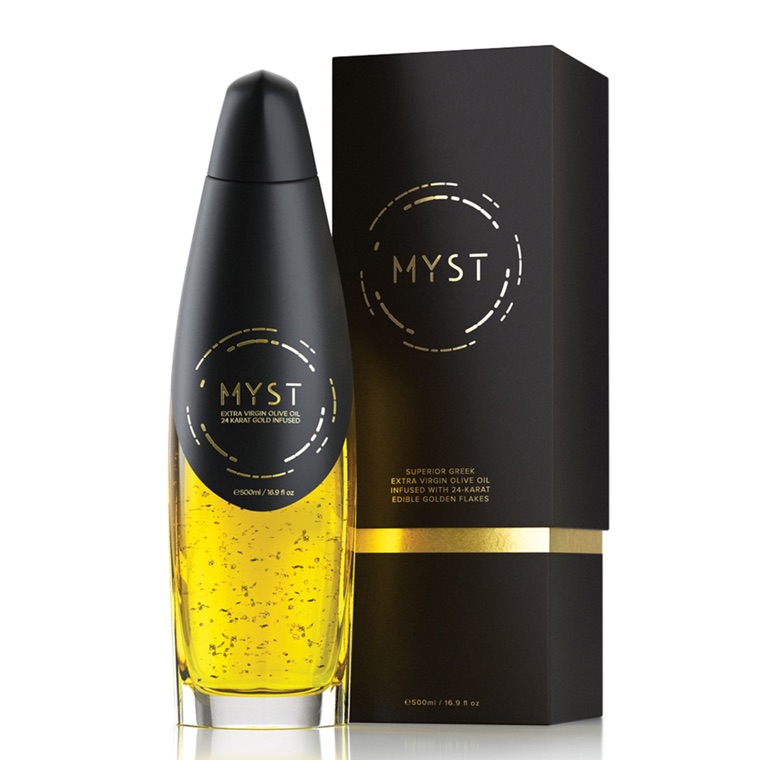
A decent early-harvest Greek oil with real 24-karat edible gold flakes shimmering in the bottle. The honest way to describe it: the cheapest ticket into the gold-flake theatre tier, at a sixteenth of the price of the bottle below it. Fun on a gift table, scored here on what it tastes like.
Spain · The most expensive oil we tested · $1,500 / 500ml
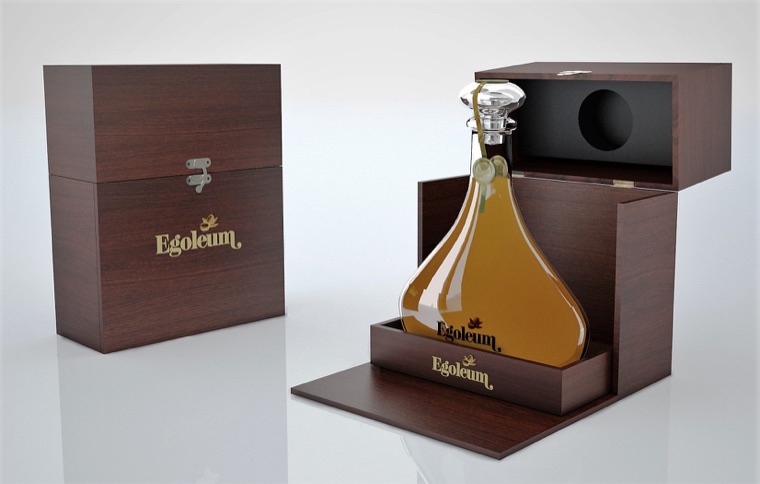
The dearest bottle in our entire test finished last, and that is not a typo. A made-to-order Spanish Picual with 24-karat gold flakes, nitrogen-protected, in a crystal decanter inside a wooden chest. The oil is good. The chest is magnificent. But strip the theatre away and you are left with a fine Picual that costs $1,400 more than a great one. Nothing on this page makes our scoring philosophy clearer.
Two results tell you everything about this test. The most expensive oil, a $1,500 gold-flecked decanter, finished last. And a $13 supermarket bottle finished eighth. Price and quality are related in olive oil, but far more loosely than the luxury shelf wants you to believe.
The winner sits exactly where those two lines cross. Dimarco is not cheap at $85, and we scored it accordingly on value. But it took the highest taste and freshness marks of the entire test: a single Sicilian estate, six hundred bottles a year, picked by hand and pressed within 48 hours, and you can taste every one of those facts. The luxury bottles are wonderful experiences. The supermarket bottle is a brilliant Tuesday oil. Dimarco is the one our panel would spend their own money on.
Yes, and we scored it down for it: Dimarco took 7.8 on value, the lowest mark on its card. It won anyway because taste and freshness carry the most weight, and there it beat everything, including bottles at four and even eighteen times the price. If $85 is not Tuesday money, that is what our number eight is for: the $13 Odysea proves this list rewards value wherever it actually shows up.
The most expensive oil finished last. Really?
Really. The $1,500 Egoleum is a fine Picual inside a magnificent wooden chest, but gold flakes add cost, not flavour, and our value weighting treats a $1,400 premium for packaging exactly as you would expect. The same logic applies to the $1,160 Golden Sense and the $93 MYST. We still describe them honestly, because as gifts and spectacles they are genuinely extraordinary.
What does "high-phenolic" actually mean?
Polyphenols are the antioxidant compounds behind a fresh oil's bitterness and peppery burn. High-phenolic oils, several on this list exceed 1,000mg/kg and two exceed 2,500mg/kg, are prized for wellness, but they taste intense: expect real bitterness and a cough-inducing finish. That is the sign of the good stuff, not a flaw.
How should I store a good oil once opened?
Away from the hob, away from light, lid on tight, and finished within about two months of opening. Heat, light and oxygen are what turn a lively oil flat. If a bottle on this list costs more than $60, decant a small working bottle and keep the rest sealed in a cupboard.
Do brands pay to appear on this list?
No one can buy a place or a score. Some links on this page earn us a commission and some featured products sponsor our work, which is disclosed at the top of the article and on our disclosure page. Twenty-eight oils were cut from this test; several of them have bigger marketing budgets than anyone who survived. And the most expensive bottle on the page finished last, which is not what a bought ranking looks like.
Tell us what you found
Tried one of these oils and disagree with our score? Found a bottle we missed that deserves a place in next year's test? Write to hello@tastedandranked.com. We read everything and publish a selection of letters with each update, including the ones that tell us we are wrong.